
Resilience Research
An enormous number of books and articles have been written about democratic backsliding over the past 15 years. There is much less written about the resilience of democracy. We emphasise the importance of examining the sources of resilience in light of the current strains on democratic systems. At a time of global crisis, the rise of an undemocratic right, and a general decline of public confidence in liberal democracy, it is also urgent to analyse the strategies and actions that can make democracies more resilient. These are some of the reasons why TODA set up this research subgroup in the spring of 2025. The research into democratic resilience will focus on different regions of the world. Particularly on: North America, Latin America, India, Europe, and South East Asia.
The Impact of Trump 2.0 on Global Democracy
We begin our series on “Democratic Resilience” with analyses of the current state of US democracy. Trump’s policies are currently leading to a hollowing out of the country’s democratic institutions and democratic culture. The questions arise: how resilient are those democratic institutions, how stable is the country’s political culture, how are the economic and cultural elites of society reacting, and last but not least, what role does the demos, the people, play? Will US democracy survive as a constitutional and liberal system? What impact will internal developments in the world’s most powerful country have on the rest of the world? These and other questions will be published and discussed here over the coming months.
-
Democratic Resilience in the United States in the Second Trump Presidency
This paper focuses on the challenges of backsliding and recovery in the United States. What are the primary sources of resilience, and what are the chances that American democracy can rebuild in the aftermath of the Trump era?
·

-
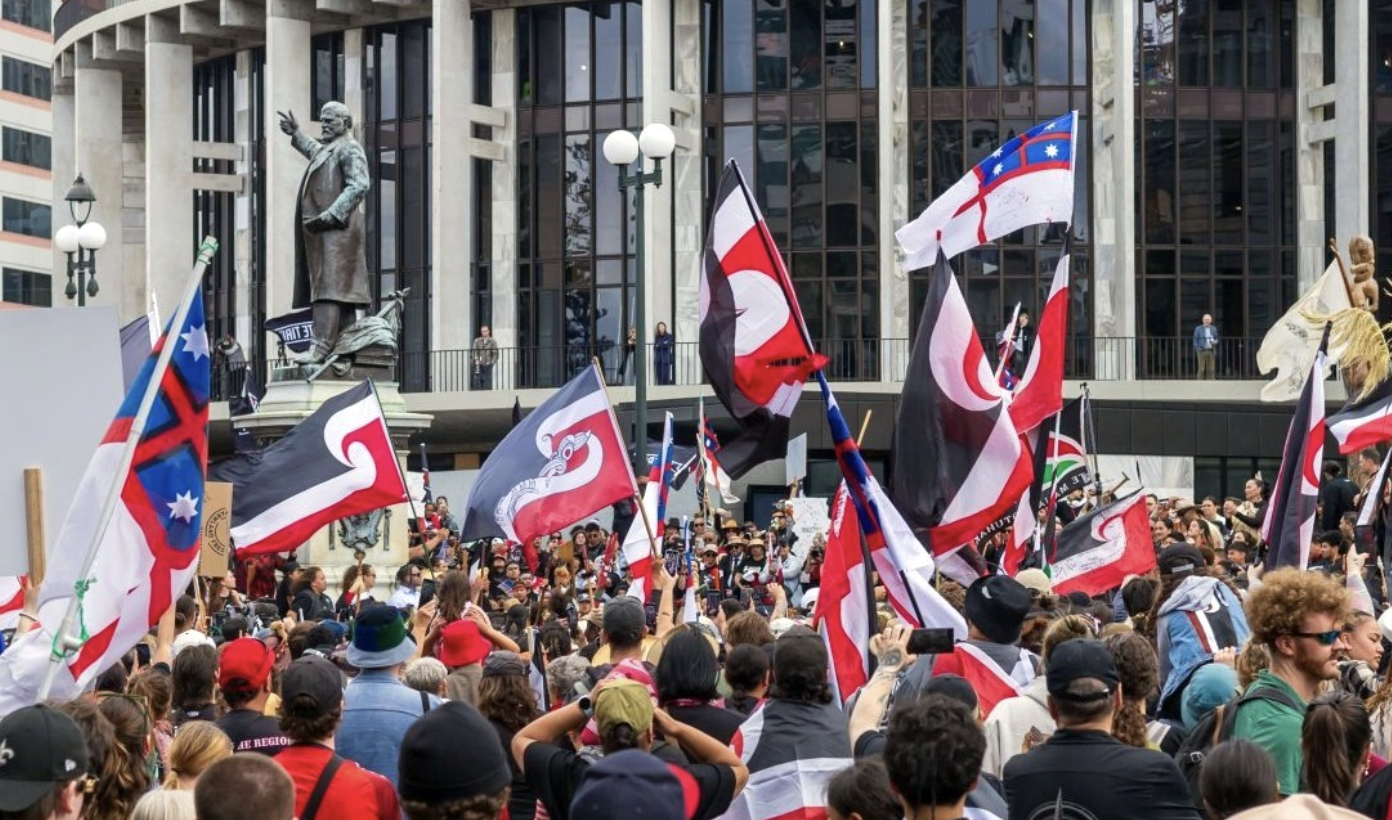
The Quiet Erosion and Resilience of New Zealand’s Democracy
This report argues that New Zealand’s reputation as one of the world’s most stable social democracies increasingly obscures a quieter democratic erosion, evident across four domains: collapsing institutional trust, the structural collapse of the fourth estate, growing executive reliance on parliamentary urgency and fast-tracked legislation, and deepening constitutional tension over Māori rights. Yet erosion is…
·
-
What If Britain’s Political Volatility Is a Sign of Democratic Resilience?
Another change of guard in Downing Street has triggered a renewed bout of concern—and sniggers—over the fragility of British politics and its democracy. Not for the first time, as the country gets its seventh prime minister in 10 years. Four years ago, openDemocracy reported “Boris Johnson has quit, but Britain’s democracy is still broken.” This time, when…
·

-
Democratic Resilience Is a Global Public Good
Political crises within major powers do not remain purely domestic affairs. In an interconnected world they affect alliance cohesion, financial stability, conflict deterrence and trust in international institutions. The institutional changes now under way in advance of the November 2026 United States midterm elections therefore deserve attention well beyond American politics. Peace depends not only…
·
