Publications
-
Modi Chooses Violence. Again.
Not too long ago, Narendra Modi’s party and supporters took great delight in gramophoning dubious ‘surveys’ declaring the Indian prime minister as the most popular leader among democracies, with supposedly 70 percent approval ratings. Fortress Delhi in recent days, however, betrays a nervous king hiding from his own people rather than an elected leader enjoying…
·

-
After Democratic Erosion: Institutional Resilience and Democratic Distortion in Brazil
This paper discusses Brazilian democracy which survived Bolsonaro, but did not return to its previous equilibrium. Breakdown was avoided through a combination of contingency and institutional resistance: a permissive fiscal moment that ultimately proved insufficient, an international signal that a government born of a coup would not be recognized, and, decisively, a judicial-electoral response concentrated…
·

-
Washington’s Test Threatens the Next UN Secretary-General’s Independence
Image: GrAI / Shutterstock The United States is reported to oppose every candidate now standing for Secretary-General of the United Nations. If the report is accurate, the danger extends beyond a delayed appointment. Making agreement with Washington’s political priorities a condition of selection would threaten the independence on which the office’s authority depends. According to…
·

-
Why India’s Opposition Parties Should Boycott Elections
Image: Ankit M / Shutterstock There is fresh buzz in India over boycotting elections in the wake of fresh media reports over its Election Commission’s voter verification methods resulting in the disenfranchisement of 130 million people—more than Japan’s population—and dubious electoral outcomes favouring Prime Minister Narendra Modi’s ruling Bharatiya Janata Party (BJP). This time the…
·

-
Democracy Lighthouse Digest #14
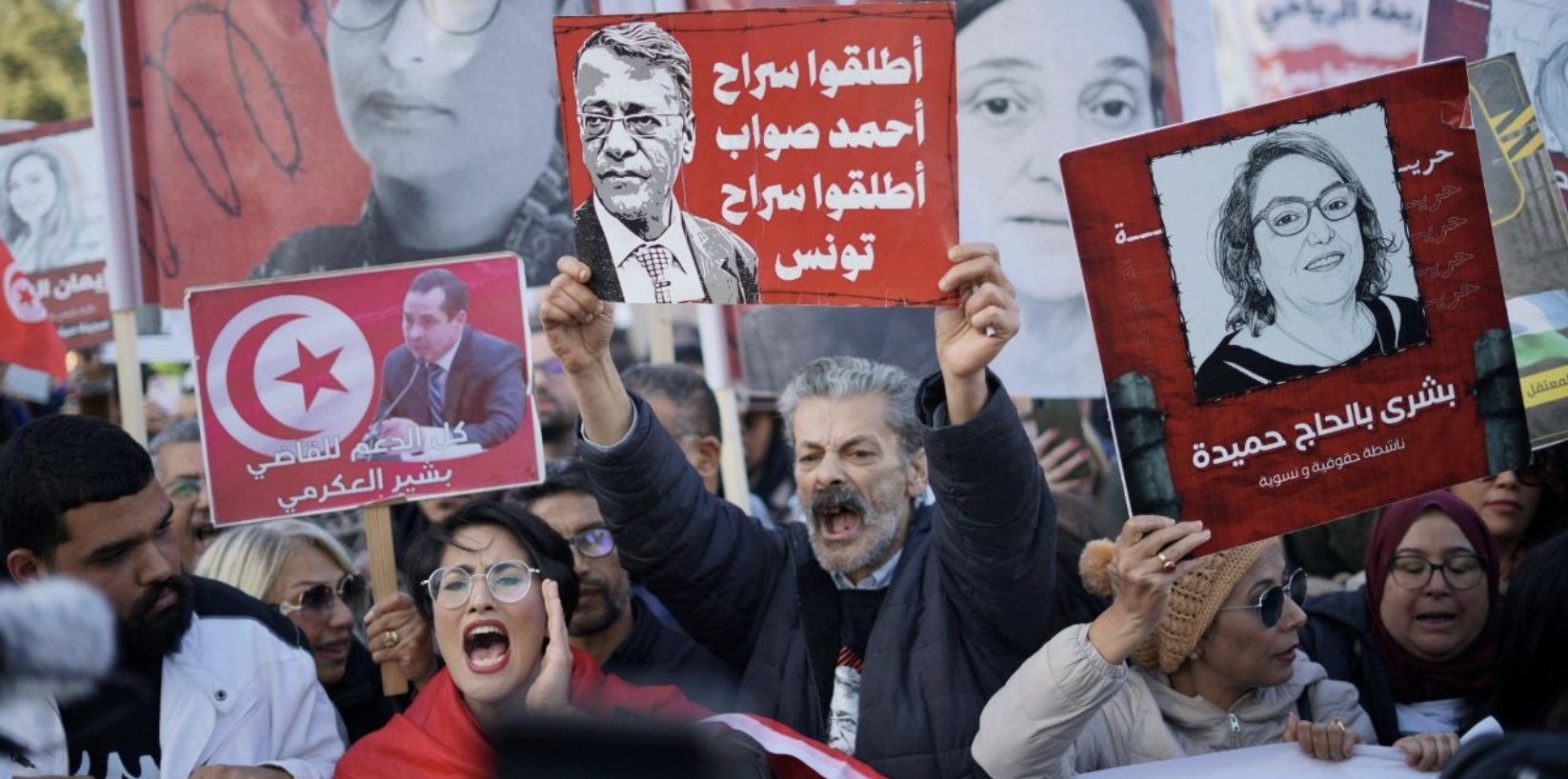
Wolfgang Merkel provides an insight into the AfD’s recent victory in Saxony-Anhalt. Larbi Sadiki examines democratic resilience in Tunisia and Jordan Ryan visits…
·