Latest Articles
-
Middle Powers After Davos
At the World Economic Forum in Davos this week, Canada’s Prime Minister Mark Carney delivered a speech that cut against the prevailing diplomatic instinct to soften uncomfortable truths. Speaking at a gathering long associated with affirming confidence in the global economic order, Carney argued that the “rules-based international order” no longer operates as advertised, and…
·

-
Commercialising Peace: A Strategic Risk
The Trump administration’s reported proposal for a new international ‘Board of Peace’ is presented, at least in concept, as a corrective to what its proponents describe as the failures of existing multilateral diplomacy. As outlined in investigative reporting, the initiative is framed as a vehicle for delivering peace agreements more decisively than the United Nations…
·

-
The UN’s Withering Vine: A US Retreat from Global Governance
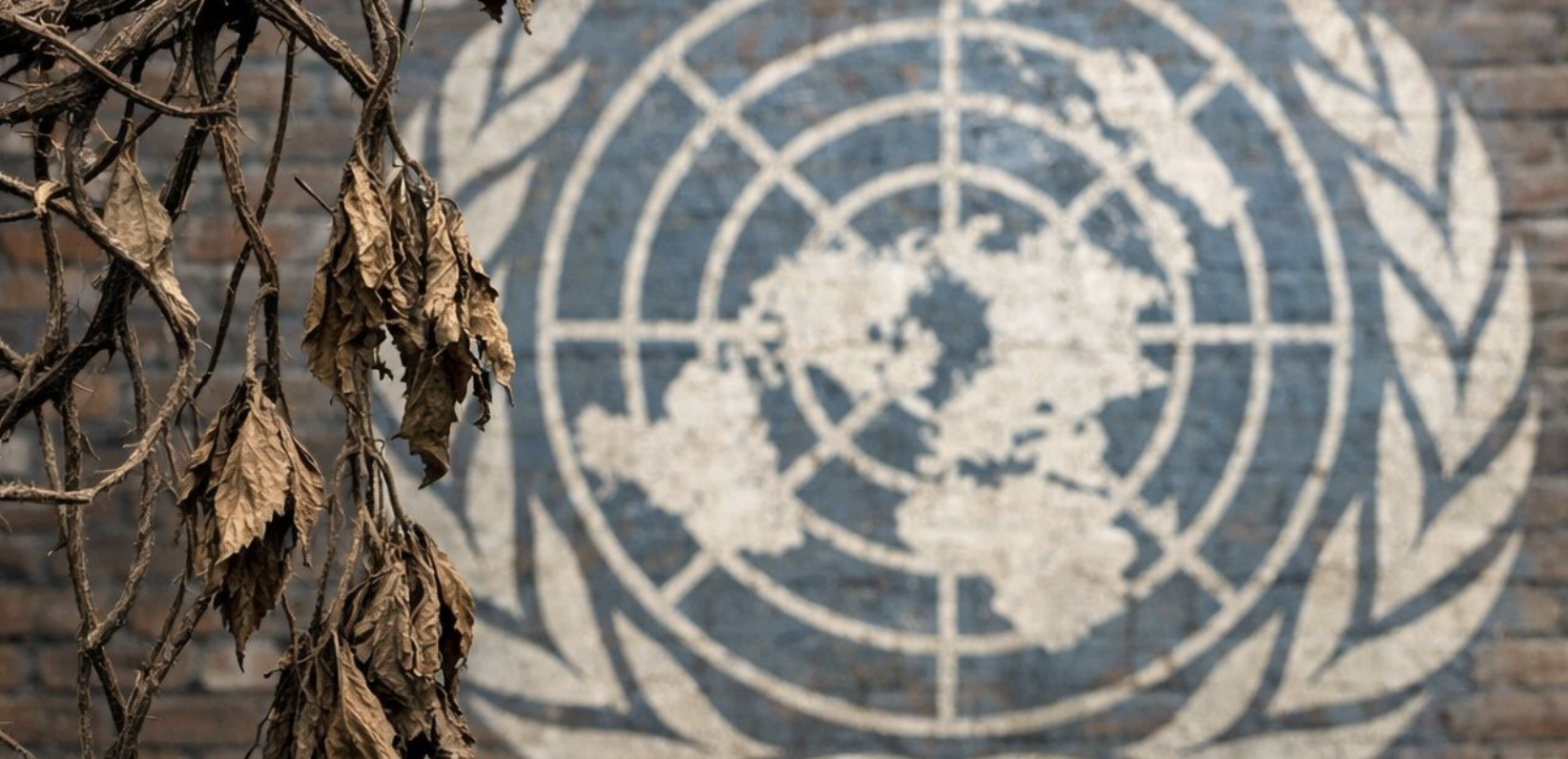
The Trump administration’s recent announcement of its withdrawal from 66 international organisations has been met with a mixture of alarm and applause. While the headline number suggests a dramatic retreat from the world stage, a closer look reveals a more nuanced, and perhaps more insidious, strategy. The move is less a wholesale abandonment of the United Nations…
·
-
Crisis in Venezuela: Three Scenarios
The US armed forces’ capture of Venezuelan president Nicolás Maduro and his wife, Cilia Flores, is the latest chapter in a very long history of United States military interventions in Latin America and throughout the world. And, as in almost all of the previous cases, this one has opened the way to a prolonged and costly commitment,…
·

-
Reclaiming Attention: From Digital Conflict to Democratic Dialogue
This policy brief poses the question: which human capacities does digital polarisation erode, and why does their erosion matter for democratic life? It references a comprehensive governance architecture developed by Toda Peace Institute, Lisa Schirch’s ‘Blueprint for Prosocial Tech Design Governance and Social Media Impacts on Conflict and Democracy’, which addresses the dynamics of digital…
·